16 August 2019
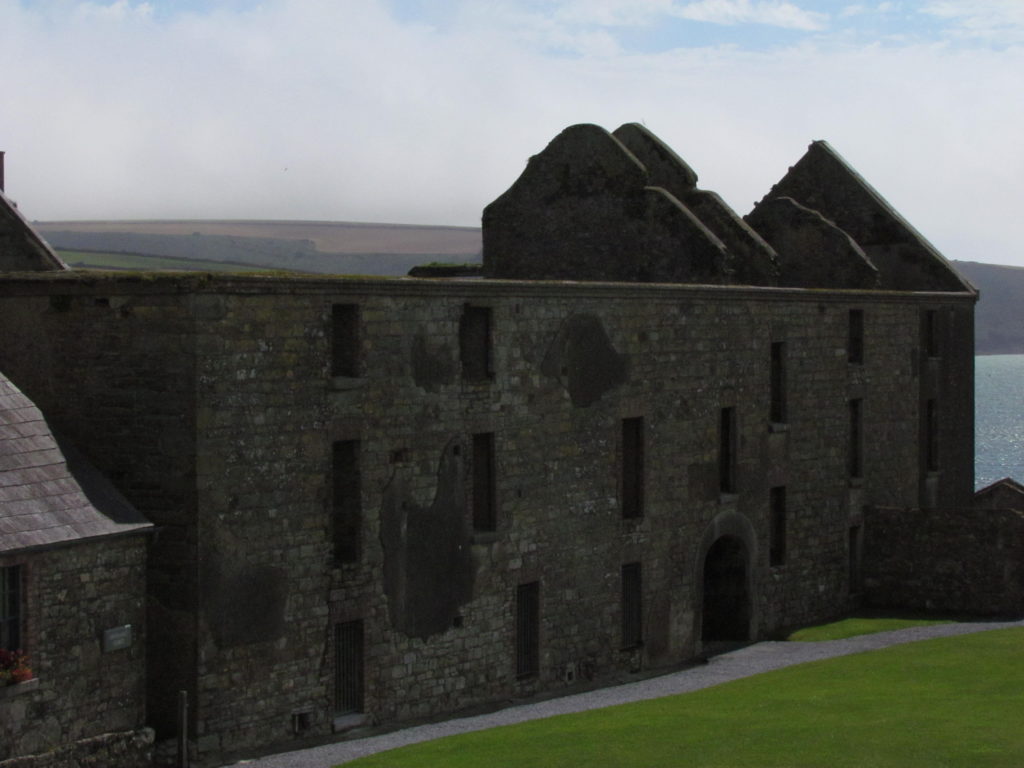
Somewhere around 1680, England ordered the build of a fort at the entrance of Kinsale Harbour. They had wind of the fact that the king of France felt a bit like causing trouble along the southern coast of Ireland, and they rather wanted to be sure to be able to resist a little. Charles Fort was built – a star shaped fort that was quite the in thing at the time. They reckoned it was a lot better at withstanding canonfire than the old round forts they had been building up to that point.

We stopped by the Charles Fort on our way to Cork, and ultimately Cobh (apparently pronounced ‘cove’). The fort is impressive, but also has a fair deal of tales of woe. It seems that there is a rather sad ghost wandering around the fort. Apparently, a young lady of the area. I’ve seen varying accounts of what happened, but in short, she threw herself off the fort wall after finding out that the love of her life was killed on their wedding night for sleeping on the job…. well – he was a soldier meant to guard the walls of the fort, and it seems like sleeping on the job gets you a bullet that will most likely kill you.


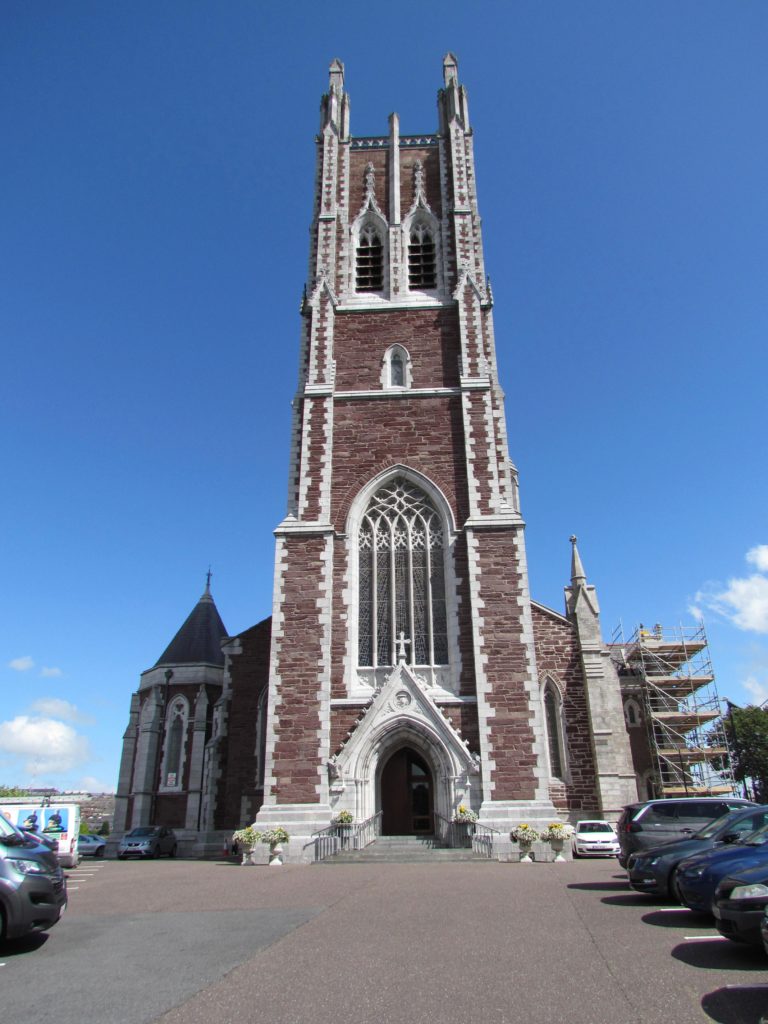
After all the villages we have been to over the past few days, Cork is quite a daunting and busy place. We drove into the center of town, found parking rather easily, and set off to find a few sites worth seeing. In the Shandon district, on a hill above the River Lee, the St. Anne’s Church, and Cathedral of St. Mary are a mere block or two apart. Both beautiful 18th century churches.



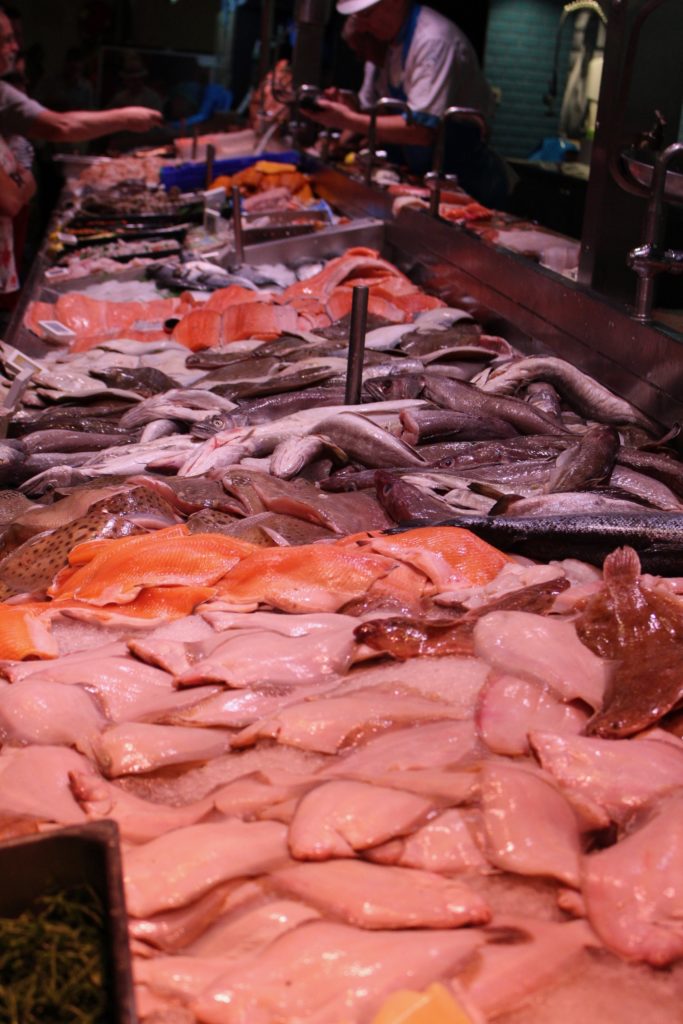
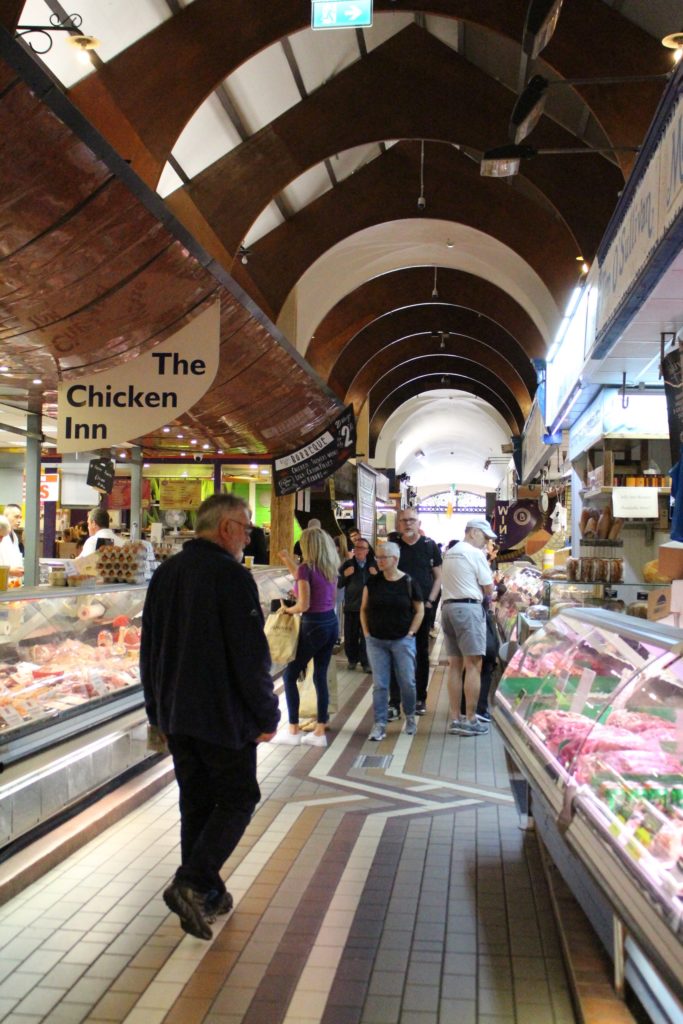
The English Market is a busy fresh produce market in the city center. The market is filled with counters of fresh meat, fish, fruit and vegetables. We found it fascinating to see the various cuts of meat and fish available.



And then, on our way out, through Friday afternoon traffic, we quickly stopped at St. Fin Barre’s Cathedral.


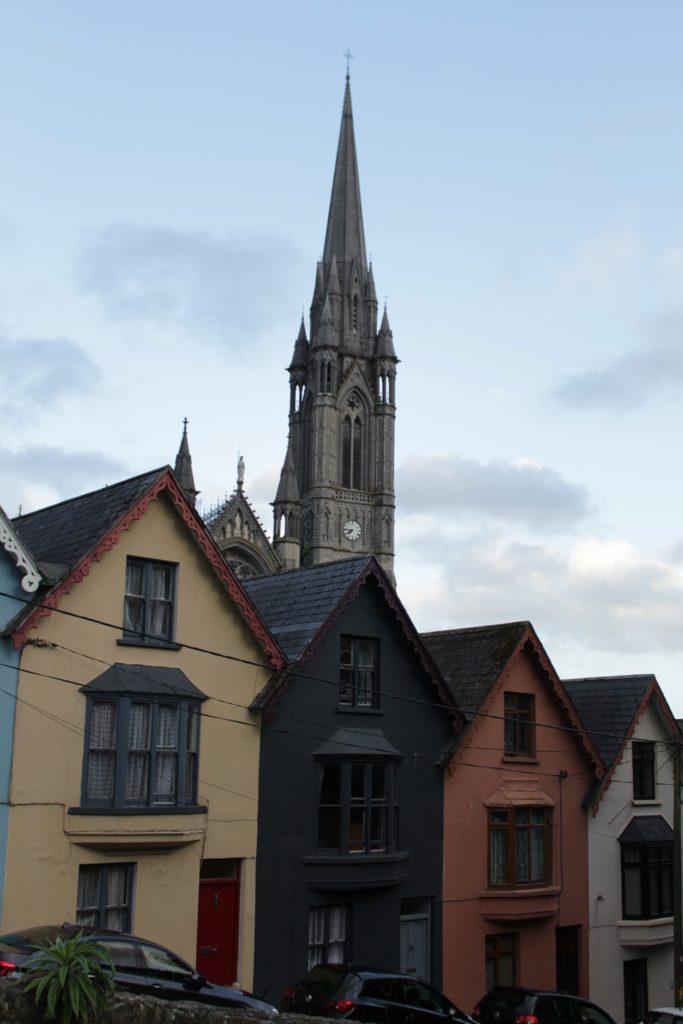
On the 11th of April, the Titanic anchored near Roche’s Point at the entrance of Cork Harbour. dropped anchor for the last time near Roche’s Point at the entrance to Cork Harbour. One hundred and twenty three passengers were brought from Cobh by the tenders Ireland and America. Less than two hours later, she was off again. It was her last stop before not making it to America. Three years later, 1198 passengers died when a German U-boat fired a torpedo at the Lusitania just off the Cork coast. The people of Cobh were phenomenal at assisting the injured and bereaved. It somehow feels fitting that Cobh has such an impressive cathedral that towers over the town.


